
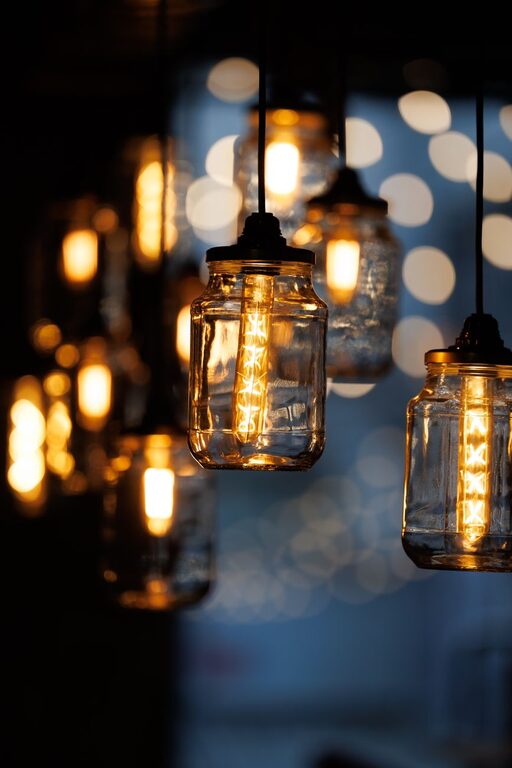
Lighting plays a pivotal role in making your home feel inviting and comfortable. Beyond just illuminating a space, the right lighting can improve your mood, support daily activities, and highlight your home’s best features. However, choosing comfortable home lighting can sometimes feel overwhelming given the variety of options available. This guide will walk you through practical tips to help you select lighting that suits your home and lifestyle perfectly.
Understanding Comfortable Lighting
Comfortable lighting means creating an environment that feels welcoming and easy on the eyes. It should avoid glare and harsh shadows while offering sufficient brightness for various tasks. The key factors affecting comfort include light color, brightness, direction, and type of fixtures.
Why Lighting Comfort Matters
Good lighting affects:
– Mood and wellbeing: Soft, warm lighting can help you relax after a long day.
– Functionality: Proper lighting levels support reading, cooking, and working.
– Aesthetics: Lighting enhances decor by emphasizing textures, colors, and architectural details.
Tips for Choosing the Right Lighting
1. Consider the Purpose of Each Room
Different rooms have different lighting needs. Start by identifying how you use each space:
– Living rooms benefit from layered lighting, which includes ambient, task, and accent lighting.
– Kitchens require bright, shadow-free light for cooking and preparation.
– Bedrooms should have softer, warm light to promote relaxation.
– Home offices need focused, well-lit areas that reduce eye strain.
2. Choose the Right Light Color Temperature
Light color is measured in Kelvins (K) and influences the atmosphere:
– Warm white (2700K–3000K): Cozy and inviting, ideal for bedrooms and living rooms.
– Neutral white (3500K–4100K): Balanced tone for kitchens and workspaces.
– Cool white (5000K–6500K): Bright and energizing, suitable for task-oriented areas or basements.
Warm colors generally create a more comfortable, homely feeling, while cooler tones are useful for focus and productivity.
3. Use Layered Lighting for Flexibility
Combining different types of lighting helps you adjust the ambiance based on the time of day or activity:
– Ambient lighting: The main source that lights up the entire room.
– Task lighting: Focused light for activities like reading, cooking, or working.
– Accent lighting: Highlights artwork, plants, or architectural features.
Layering allows you to control the mood and function of each space more effectively.
4. Opt for Dimmer Switches
Dimmer switches offer flexibility by letting you adjust brightness to match your needs and mood. They can reduce energy consumption and extend bulb life. Installing dimmers is especially beneficial in living rooms, bedrooms, and dining areas.
5. Select Energy-Efficient Bulbs
Energy-efficient bulbs such as LEDs provide bright, comfortable light without excessive heat or energy use. LED bulbs come in various shapes, brightness levels, and color temperatures, making them versatile choices for most rooms.
6. Pay Attention to Fixture Placement
Where you place lights can dramatically affect comfort. Avoid positioning lights directly above seating or workspaces to prevent glare. Use lampshades or diffusers to soften light and reduce harsh shadows. Consider the height and spread of your fixtures to ensure even illumination.
7. Incorporate Natural Light
Maximize the use of natural sunlight during the day. Use light-colored curtains or blinds that allow light in while providing privacy. Placing mirrors opposite windows can help reflect natural light, brightening the room and making it feel more spacious.
Room-by-Room Lighting Suggestions
Living Room
– Use a ceiling fixture or recessed lights for overall illumination.
– Add floor or table lamps with warm bulbs for cozy corners.
– Use adjustable accent lights to highlight artwork or decor.
Kitchen
– Bright, cool-toned overhead lighting ensures good visibility.
– Under-cabinet lights help illuminate countertops for meal prep.
– Pendant lights over islands or dining spaces add style and function.
Bedroom
– Soft, warm bedside lamps create a relaxing environment.
– Use dimmable ceiling fixtures so you can set the mood.
– Avoid overly bright or blue-toned lights which can disrupt sleep.
Home Office
– Position a desk lamp with adjustable brightness to reduce shadows.
– Consider daylight-balanced bulbs (around 4000K) for alertness.
– Ensure overhead lighting is sufficient to prevent eye strain.
Final Thoughts
Choosing comfortable home lighting is about balancing aesthetics, functionality, and personal preference. By understanding the role of light color, layering, placement, and energy efficiency, you can create spaces that are both beautiful and soothing. Take time to experiment with different lighting setups and don’t hesitate to mix various styles and fixtures until you find what feels best.
A well-lit home not only looks great but also supports your daily routines and enhances your overall comfort. Happy lighting!