
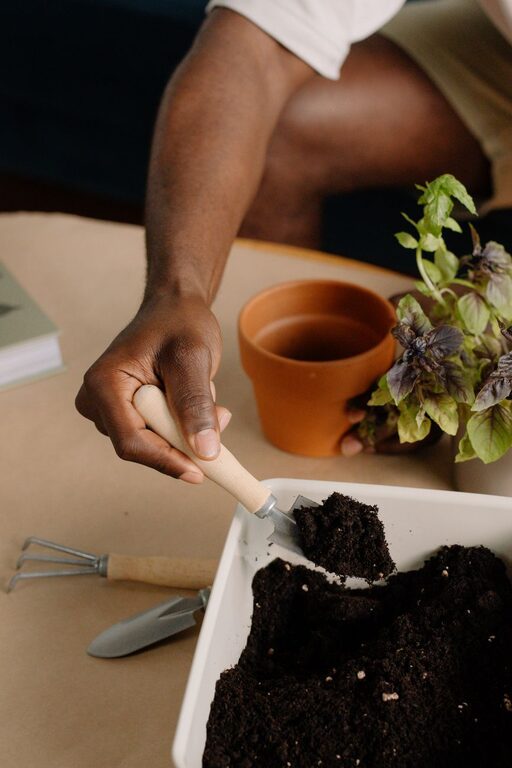
Starting a small herb garden indoors is a rewarding and practical way to bring fresh flavors into your kitchen all year round. Whether you have a large sunny window or just a little countertop space, growing herbs inside is both enjoyable and surprisingly simple. This guide will walk you through everything you need to know, from selecting herbs and containers to lighting and ongoing care.
Why Grow Herbs Indoors?
Indoor herb gardening gives you easy access to fresh ingredients for cooking and adds greenery to your living space. Herbs are generally low-maintenance plants that don’t require a lot of space, making them perfect for apartments, offices, or homes without a garden. Plus, growing your own herbs reduces trips to the store and can even save money.
Choosing the Right Herbs for Your Indoor Garden
When starting your indoor herb garden, picking the right plants is key. Some herbs thrive better indoors than others and are more beginner-friendly.
Best Herbs for Indoor Growing:
– Basil: Needs plenty of sunlight and warm conditions.
– Parsley: Prefers moderate light and consistent moisture.
– Chives: Tolerant of lower light, great for kitchen windows.
– Mint: Grows vigorously, best kept in separate pots.
– Thyme: Requires bright light and well-draining soil.
– Oregano: Likes full sun and drier soil conditions.
– Cilantro: Prefers cooler temperatures and bright indirect light.
Choose two or three herbs to start with to avoid feeling overwhelmed.
Selecting Containers and Soil
The container you pick should have good drainage to prevent waterlogging, which can harm roots.
Container Tips:
– Use pots with drainage holes.
– Choose pots that fit the herb’s root system size.
– Consider self-watering pots for ease of care.
– Reuse containers like mason jars, small buckets, or teacups if they have drainage.
Soil:
Use a high-quality potting mix designed for indoor plants. Avoid garden soil, as it may be too heavy and can introduce pests.
Finding the Right Location and Lighting
Herbs need ample light to thrive. Ideally, choose a south- or west-facing window that gets 6-8 hours of sunlight daily.
If Natural Light Is Limited:
– Use fluorescent or LED grow lights set about 6-12 inches above the plants.
– Keep lights on for 12-16 hours a day to mimic natural conditions.
Rotate your plants regularly to ensure even growth.
Planting Your Herb Garden
You can start your herb garden from seeds, seedlings bought at a nursery, or small plants from a garden center.
Steps for Planting:
- Fill containers with potting mix, leaving space at the top.
- If using seeds, plant according to the seed packet depth instructions.
- For seedlings, gently loosen roots before planting.
- Water lightly after planting to settle the soil.
- Place the pots in your chosen light location.
Watering and General Care
Herbs prefer moist but not soggy soil. Overwatering is a common mistake.
Watering Tips:
– Check soil moisture with your finger; water when the top inch feels dry.
– Use room temperature water.
– Avoid letting water sit in saucers under pots.
Additional Care:
– Feed the herbs with a diluted liquid fertilizer every 4-6 weeks.
– Prune regularly to encourage bushy growth and prevent flowering.
– Remove yellow or dead leaves promptly to maintain plant health.
Troubleshooting Common Issues
Yellow Leaves:
Usually from overwatering or poor drainage.
Leggy Growth:
Plants not getting enough light may become tall and weak. Move them to a brighter spot.
Pests:
Look out for aphids or spider mites. Remove pests by wiping leaves or using insecticidal soap.
Harvesting Your Indoor Herbs
Harvest herbs regularly by snipping leaves or stems with clean scissors. This promotes new growth and keeps plants healthy.
Harvesting Tips:
– Don’t remove more than one-third of the plant at a time.
– Harvest in the morning for the best flavor and aroma.
– Use fresh herbs in cooking or dry them for later use.
Enjoying Your Indoor Herb Garden
An indoor herb garden not only brightens your home but also enhances your cooking with fresh, flavorful ingredients. It’s a fulfilling hobby that connects you with nature year-round. Start small, be patient, and soon you’ll enjoy the benefits of fresh herbs right at your fingertips!
—
By following these simple steps, you can create a thriving small herb garden indoors, no matter your space or gardening experience. Happy gardening!